Mental Health and Hypnosis

Mental Health and Hypnosis

Taken on 7.1.2018 from:  https://www.webmd.com/mental-health/mental-health-hypnotherapy#1         

Hypnosis — or hypnotherapy — uses guided relaxation, intense concentration, and focused attention to achieve a heightened state of awareness that is sometimes called a trance. The person’s attention is so focused while in this state that anything going on around the person is temporarily blocked out or ignored. In this naturally occurring state, a person may focus his or her attention — with the help of a trained therapist — on specific thoughts or tasks.

How Does Hypnosis Work?

Hypnosis is usually considered an aid to psychotherapy (counseling or therapy), because the hypnotic state allows people to explore painful thoughts, feelings, and memories they might have hidden from their conscious minds. In addition, hypnosis enables people to perceive some things differently, such as blocking an awareness of pain.

Hypnosis can be used in two ways, as suggestion therapy or for patient analysis.

  • Suggestion therapy: The hypnotic state makes the person better able to respond to suggestions. Therefore, hypnotherapy can help some people change certain behaviors, such as stopping smoking or nail biting. It can also help people change perceptions and sensations, and is particularly useful in treating pain.
  • Analysis: This approach uses the relaxed state to explore a possible psychological root cause of a disorder or symptom, such as a traumatic past event that a person has hidden in his or her unconscious memory. Once the trauma is revealed, it can be addressed in psychotherapy.

What Are the Benefits of Hypnosis?

The hypnotic state allows a person to be more open to discussion and suggestion. It can improve the success of other treatments for many conditions, including:

Hypnosis also might be used to help with pain control and to overcome habits, such as smoking or overeating. It also might be helpful for people whose symptoms are severe or who need crisis management.

What Are the Drawbacks of Hypnosis?

Hypnosis might not be appropriate for a person who has psychotic symptoms, such as hallucinations and delusions, or for someone who is using drugs or alcohol. It should be used for pain control only after a doctor has evaluated the person for any physical disorder that might require medical or surgical treatment. Hypnosis also may be a less effective form of therapy than other more traditional treatments, such as medication, for psychiatric disorders.

Some therapists use hypnosis to recover possibly repressed memories they believe are linked to the person’s mental disorder. However, the quality and reliability of information recalled by the patient under hypnosis is not always reliable. Additionally, hypnosis can pose a risk of creating false memories — usually as a result of unintended suggestions or the asking of leading questions by the therapist. For these reasons, hypnosis is no longer considered a common or mainstream part of most forms of psychotherapy. Also, the use of hypnosis for certain mental disorders in which patients may be highly susceptible to suggestion, such as dissociative disorders, remains especially controversial.

Is Hypnosis Dangerous?

Hypnosis is not a dangerous procedure. It is not mind control or brainwashing. A therapist cannot make a person do something embarrassing or that the person doesn’t want to do. The greatest risk, as discussed above, is that false memories can potentially be created and that it may be less effective than pursuing other, more established and traditional psychiatric treatments.

Who Performs Hypnosis?

Hypnosis is performed by a licensed or certified mental health professional who is specially trained in this technique.


Not to Miss!! – Mindful’s Top 12 Posts of 2017 (and… 2016) and Top 10 Guided Practices

Get your coffee, tea or water. Put your pj’s and some soft music on, sit back and relax. You’ve taken care of everyone else – this is your time.

If you don’t subscribe to Mindful Magazine yet – I highly recommend it!      Kindwhile….

Here are the top 12 most popular stories from Mindful.org in 2017:

woman looking at phone

 Free Mindfulness Apps Worthy of Your Attention
Mindfulness apps are trending in a big way. Here are five we’re happy we downloaded.


lungs illustration

Your Breath is Your Brain’s Remote Control
A new study has found evidence to show that there is actually a direct link between nasal breathing and our cognitive functions.


illustration two heads one with a thunderstorm in the mind and one with a rainbow

How to Fight Stress with Empathy
Psychologist Arthur Ciaramicoli argues that empathic listening may be the key to reducing stress in our lives.


Two Lessons on Blame from Brené Brown
An animation featuring Brené Brown sharing a story about why she identifies as a blamer, as well as research and insights about this toxic behavior.


Being with Stressful Moments Rather Than Avoiding Them
When we use mindfulness to get rid of stress, we’re no longer being mindful. Try this practice for being with and reimagining stressful moments


mindfulness

How to Practice Mindfulness
Becoming more aware of where you are and what you’re doing, without becoming overly reactive or overwhelmed by what’s going on around you.


illustration person in a labrynth

What to Do When You Feel Stuck in Negative Emotions
According to a new book, the key is “emotional agility”: being less rigid and more flexible with our thoughts and feelings.


woman sitting cross-legged reading

6 Books to Get You Unhooked from Bad Habits
Food cravings, telling off grumpy colleagues: some habits are hard to avoid even on our best days. We’ve rounded up these mindful books on the science and practice behind habit-formation.


How to Stop Your Stories From Running Your Life
Research suggest we not only have the capacity to pay attention to and stop the chatter of our stories, but we can also reduce our stress and reinvent our relationships by responding to them differently.

man walks through forest

A Daily Mindful Walking Practice
Take a break and boost your mood with this 10-minute walking meditation.


ICYMI

In case you missed it: Stand-out pieces from the past year you might want to know about.

The Future of Education: Mindful Classrooms
Creating a safe place for our kids to learn might begin with creating some space for them to breathe. Here’s an in-depth look at the research and best practices for bringing mindfulness into schools.


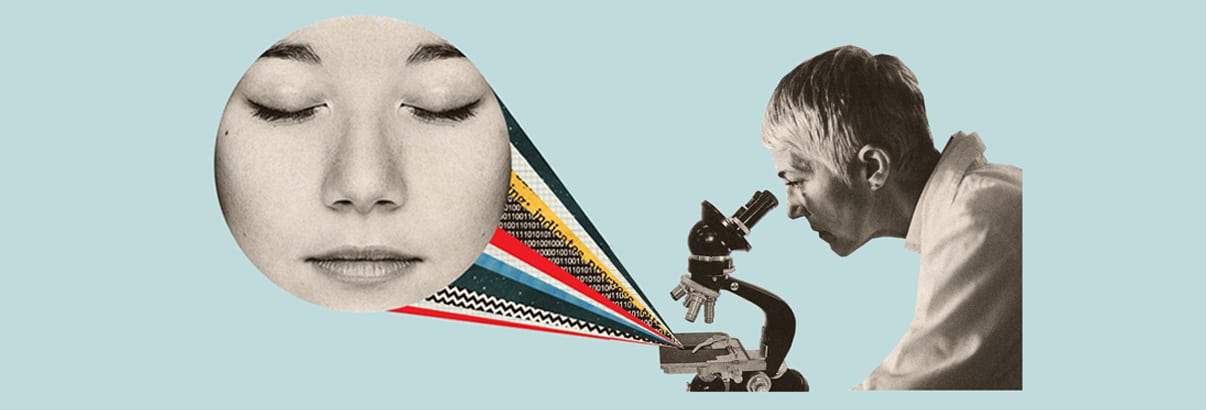
doctor looking at person meditating under microscope

Meditators Under the Microscope
The benefits of meditation have been hard to show in concrete terms. Today, however, as the scientific world delves into the study of mindfulness, the capacity of the brain to transform under its influence inspires nothing short of wonder.

illustration of scientists climbing into person's head

10 Mindfulness Researchers You Should Know
Key insights from leading researchers spotlight what we know, what we don’t know, and what the future holds for the science of mindfulness.

Honorable mention: Getting Started with Mindfulness, for most visits per month.

Mindful’s Top 10 Guided Practices of 2017

Listen to guided meditations from mindfulness experts on how to work with difficult emotions and weave mindful moments into your daily life.

By  

Mindful’s Top 12 Posts of 2016

These 12 articles contain expert advice on how to work with your mind, understand your emotions, and practice being your authentic self.

By Mindful Staff 


Simon Sinek – Millennials and more – Absolutely worth the watch!

This is a must see video! Not only about “Millennials” but about relationships, addiction, depression and how our brains become hard-wired to reach for technology instead of relationships…
It’s absolutely worth the entire 18 minute commitment. 

Holidays and Mindfulness

5 Ways to Infuse the Holidays with Mindfulness

tree-in-canyon

How often have you begun the holiday season with the most exalted expectations, only to stumble into the New Year burned out and disappointed? The secret to making your holidays as enjoyable and stress-free as possible is to take the mindfulness you practice on your yoga mat or meditation cushion and actually apply it in your life from moment to moment. And what better time than those frenzied, emotional weeks at the end of the year? Here are some suggestions:

  1.  Live in the moment.

As I’m sure you’ve noticed, most of your stress occurs when you’re worrying about the future or obsessing about the past. Live in the present, and your mind naturally settles down and your anxiety dissipates. Easier said than done, of course, especially around the holidays, when your head is filled with back-to-back commitments and an endless list of things to do and buy. But you can make a commitment to yourself to stop from time to time, shift your attention from your thinking, and pay mindful attention to your experience right now—the weight of your feet against the floor, your back against the chair, the coming and going of your breath.

2.  Let go of expectations.

The holidays are fraught with promises that life and other people can’t possibly fulfill. Maybe you desperately want to take your family on vacation, but discover you can’t afford it. Or you’re looking forward to a big family gathering, but your folks get sick and have to cancel at the last minute. Instead of attaching to the way you think things should be (and causing yourself unnecessary stress), you can choose to stay present and grounded, roll with the changes –and heed the other tips in this list.

3.  Tread softly with the relatives.

Love ‘em or hate ‘em (or a little of both), family can be a major challenge to your peace of mind, especially when they’re stressed. Breathe deeply, and resist the temptation to rehash old hurts or expect more love and approval than they can muster (see above). But do relish the tender moments and the generosity and togetherness that the holidays tend to evoke.

4.  Be especially kind and gentle with yourself.

If you’re pushing yourself too hard, you need to be the one to notice, back off, and give yourself a little loving. Take a hot bath, do some yoga, get a massage, spend quiet time in nature, meditate, or call a close friend. Do what nurtures you, then return to the fray refreshed, reinvigorated, and rebalanced.

5.  Count your blessings.

Researchers agree that the key to a happy life is to appreciate what you have. Dwell on the positive, and your mood quickly lifts. Spend five minutes each night during the holiday season reflecting on the good things that happened to you that day, even if they seem inconsequential. The sky at sunset, the loving look in a baby’s eyes, a gift from a friend, a tasty meal, a funny incident at work. Human minds tend to skew toward the negative to alert us to predators and other threats, so you need to make a special effort to correct the bias.

Above all, remember to be mindful, no matter how busy you get. In the end you’re responsible for your own happiness and peace of mind. No one else can provide it for you, even at the holidays!

Written by Stephan Bodian, November 2, 2015

From: https://www.gaia.com/article/5-ways-infuse-holidays-mindfulness

Anxiety and Mindfulness

Another great blog post written by Melli O’Brien

AKA Mrs. Mindfulness

 Busy & Stressed?

3 Tips to Make Your Day More Mindful

 I just came back from teaching my four-day retreat ‘the art of mindful living’ to forty wonderful people.

Throughout the course of those four days it became apparent that a common challenge in most of their lives was stress. They are not alone.

According to WebMD, currently 75% to 90% of doctor visits are due to complaints and illnesses related to stress (1) and Psychology Today refers to stress not just as an epidemic, but as a pandemic now (2). Stress is rampant and on the rise, especially in the west.

Trying to do too much can certainly be one factor involved in the emotional state of stress but busyness does not necessarily mean stress.

multitasking

In my life right now I am the busiest I have been in years. There are many things that need doing during the day. My man and I are juggling preparing our house for sale, running two businesses and getting ready to move.

When my schedule is very full like this I employ some tricks and ‘cheats’ to maintain mindfulness during my workday. I am going to share the three here that I find the most potent and easy to introduce to your daily routine.

1. Mindfulness Bells

In France there is a famous ‘mindfulness monastery’ called Plum Village. At random intervals during each day the sound of a ‘mindfulness bell’ echoes through the village. Upon hearing the sound every person stops whatever they are doing and takes a moment to simply be.

These pauses in the day are an opportunity for people connect deeply with themselves and to the present moment.

You may not be at a monastery but you can introduce mindfulness bells into your day. I use an awesome iPhone app called ZAZEN.

The free version that I use has two settings. One is a meditation timer but the other is a mindfulness bell which you can set to go off at intervals during the day – either 15, 30 or 60 minutes.

When you hear the sound of the bell take a brief pause from whatever you’re doing and take a deep slow conscious breath.

If you don’t have an iPhone you can get creative and set up another kind of mindfulness bell into your day.

2.Mindful Transitions

Many of us have a habit of rushing through our days as if there were a finish line we’re trying to get to. Instead of rushing from task to task practice mindful transitions.

This simply means that when you have completed a task – like say making breakfast – pause for a moment before moving to the next thing (which in this case might be walking to the dining table) and take one of those deep slow conscious breaths mentioned above.

This brings you back into the moment and therefore is a natural antidote to stress (it’s almost impossible to be fully present in the moment and stressed at the same time!).

One of the most potent places to practice a mindful transition is in the car. Once you sit in the drivers seat stop, breathe and connect – then move.

3.One Thing At A Time

Studies show multitasking is a less efficient way to do things (3). To be more accurate, what these studies show is that multitasking is a myth.

What most people think of as multitasking is actually a very quick shifting of attention from back and forth from task to task – and this rapid shifting of attention leaves you vulnerable to stress.

Being that multitasking is less efficient and also potentially harmful there is no reason to do it. Kick the habit!

Keep your focus on one thing at a time. Be fully present in the moment for each task as you do it (after all this is your life!). Not only will you be more efficient and make less mistakes but you will also be happier and notice a natural sense of peace arising as you go about your day.

Try these 3 tips out and let me know how they go for you in the comments section below. Do you have your own mindfulness tips to counter stress? Share them too!

Love Melli

  1. http://www.webmd.com/mental-health/effects-of-stress-on-your-body
  2. http://www.psychologytoday.com/blog/mind-wellness-awareness/201207/the-stress-pandemic

3) http://www.psych.utah.edu/lab/appliedcognition/publications/supertaskers.pdf


The BodyTalk System – Part 1 – What is BodyTalk?

Enjoy Part 1 of What is BodyTalk?

presented by BodyTalk’s founder Dr. John Veltheim.


The 8 Essential Foundations of Mindfulness

Reblogged from Mrs. Mindfulness ~ Check out her blog!

The 8 Essential Foundations of Mindfulness

When building a house, the foundation is a crucial element. Without a stable foundation, all your hard work is at risk of cracking and crumbling down around you.

In mindfulness the attitude that you bring to your practice is your necessary foundation.  Get this part right and you can build your ability to relax, find mental clarity and abide in inner peace.

These eight foundations will create a strong stable foundation in your mindfulness practice.

1.  Non-judging

In mindfulness practice, aim to develop the attitude of an impartial witness to your experiences. If you spend some time paying attention to the thoughts that dart in and out of your mind all day, you may be surprised to see just how often you pass judgment about things, people and situations.

The mind tries to sort and file everything into neat compartments. I like, I dislike, I want, I am, he is, she is, good, bad and so on.

It does all this quickly and automatically, so flash judgments about all that we encounter become habitual, even automatic. Often, we’re not even aware we’re doing it, but this unyielding flow of judgmental thoughts makes it difficult to find any peace within ourselves.

To experience mindfulness, you need to become aware of the mind’s habit of judging and step back from it.

Suspend judgments, labels and categorizing. What does that mean? It means we simply see our judging thoughts as just that – thoughts. We don’t have to believe them or buy into them and we don’t take them all that seriously.

2.  Patience

If a young child finds a cocoon, he may be tempted to try to break it open in his eagerness to see the butterfly emerge.

An adult though, knows not to touch the cocoon. He knows it can’t help the butterfly—and in fact, it will sabotage its transformation.

The adult knows that the wise action is to have patience. To let things unfold in their own way, in their own time. With patience, the butterfly will eventually emerge. Likewise, with patience, your mindfulness practice will improve in time. There is no need to try to force it or rush it; we can simply allow the process of any kind of improvement to unfold.

There is no hurry to get anywhere or achieve anything— there is no goal or finish line ‘out there’ in the future. The goal is to be fully present, in the moment and to be fully engaged in only whatever is presenting itself in the here and now. Any idea of striving for some future goal will only impede your practice.

You may have come to mindfulness practice in the hopes to achieve certain results (like more happiness or health), but let go of these desires during your practice and simply allow this moment and where you’re at to be enough.

3.  Beginner’s Mind

Too often we let our thinking and beliefs about what we “know” prevent us from seeing things as they really are. If you’ve ever caught yourself tuning someone out while they were talking because you were already sure you knew better, then you know that attitude. You’re sure you’re right, so you’re really not giving their point of view a chance.

As they speak, instead of paying attention to their words, you’re forming your counter-argument. We’ve all done it, and when we’re doing this we’re not open. We’re rigid and closed-off.

In contrast, a beginner’s mind is open and receptive, willing to experience everything as if it were the first time. It does not try to guess what the other person is going to say or assume it already knows better. It reserves judgment. Try this next time you find yourself wanting to judge what someone is telling you: listen and think, ‘hmmmmm, isn’t that interesting?’

Likewise, when cultivating a beginner’s mind with our own thoughts and experiences, it opens us to beauty and richness of the present moment.

When being mindful, ‘listen’ with an open mind, free of expectations of what you think is supposed to happen. Allow yourself to experience what presents itself as if it were the first time, without expectations of what it should be like.

For things to reveal themselves to us, we need to be ready to abandon our views about them. ― Thich Nhat Hanh, Being Peace

4.  Non-Doing

Normally, we go through our daily lives and everything has a purpose. We do things to accomplish something, to get something or to go somewhere. This attitude is bred into us from childhood— to do things purposefully and have an outcome—but in practicing mindfulness this attitude can be an obstacle.

Mindfulness is unlike our other activities—it’s the opposite of doing. It’s non-doing. In a way it does take work and energy, but of a different kind.

Mindfulness is simply being. Being with ourselves and being in the moment—with whatever arises. When you take time out to practice mindfulness and make plans like ‘I’m going to get more relaxed now,’ ‘I’m going to manage my pain,’ or ‘I’m going to be a happier because of this, you’re already undermining the practice.

You’ve already set goals and made plans, you’ve already determined what you should be doing or where you should be—which is telling yourself the present moment is not okay.

When you’re practicing mindfulness it’s counter-productive to strive for any result in particular.

See if you can let go of that subtle desire for a better future. Instead, you simply start focusing on this moment, and accepting this moment just as it is.

5.  Acceptance

Acceptance is seeing things as they are in the present, and having an attitude of allowing life to be as it is. In mindfulness practice we cultivate acceptance by taking each moment as it comes and being with it fully.

We try not to impose our ideas about what it should be, or what we should be feeling, or what should be happening. Instead, we are just open to whatever is. We accept it—as is– because it is the now.

Having an attitude of acceptance in your daily living practice of mindfulness doesn’t mean you have to be passive. You can still take action or make changes. You just do it from a place of acceptance.

For example, if your car breaks down on a deserted road you can resist what is happening. You can cry, scream it’s unfair, or you may begin to panic. You can slam doors and kick tires. The reality is this, though: you don’t have a problem – the car has a problem. The car is no longer moving. That’s what is.

You also don’t have to resign yourself, sit down on the side of the road and do nothing.

You can recognize fully that you want to have the car fixed and get to your destination. But you can narrow your life down to the moment; accept what is, and take action from there. Maybe you call the NRMA or flag down another car, but you do it from a place of allowing instead of resisting.

During mindfulness or meditation practice, there may be all kinds of emotions, impulses and thoughts– both negative and positive. With an attitude of acceptance, you don’t resist them and you also do not cling to them. You allow them to be—whatever they may be. You’ll find that when you don’t resist impulses and feelings, they tend to subside more quickly.

6.  Non-Attachment

Imagine if you were holding onto a large balloon that was being filled up with helium. As it grows, it threatens to lift you off your feet into the air. Your first instinct may be to hold the balloon tighter and resist the tug, but the only way to truly free yourself of the struggle is to let go.

In mindfulness practice it’s essential to cultivate an attitude of non-attachment—the ability to simply let go of thoughts. As we pay more attention to what’s going on inside of our own heads, we begin to discover the mind often clings to, buys into and follows certain thoughts and feelings, or we may try to suppress or wrestle with them.

In mindful awareness, aim to simply watch thoughts and objectively observe them. Non-attachment means neither resist nor cling to thoughts. Think of your thoughts and feelings like little clouds floating through the vast sky of your awareness.

Observe them arising, floating through and then disappearing. There is no need to try to hold them back or control them. If you have trouble letting go of the thoughts, then observe your ‘non-letting go’.

As we learn to no longer attach to thoughts or feelings, over time they lose their hold over us. That is, we are able to choose whether or not to ‘play them out’ or simply let them go.

7. Curiosity

In your practice, aim to foster a sense of curiosity. How do you feel emotionally? What kind of thoughts are going through your head? What does your body feel like at the moment? What happens when you focus all your attention in the present moment? How does that change how you feel?

When we were children were had a natural curiosity about everything.  Children are born scientists who aim to explore, question and understand what’s around them.

Aim to take the attitude of a curious child. Note that this is a light and open attitude – not a serious or heavy one. For a wonderful mindfulness practice you can make it a habit to regularly ask yourself, “‘what’s going on inside me right now?’ and then take a moment to truly tune into your state of mind, body and being.

Whatever experience you notice, investigate it with a curious mind.

Curiosity doesn’t condemn. It simply watches.

8.  Present Moment Awareness

The secret of awakening into mindfulness is to be fully present in this moment and to unconditionally accept this moment as it is. That means to pay attention to only what is present now– just this breath, just this step, what you see and feel.

Welcome this moment as it is – go into it deeply. Mindful awareness can only be realized in the now. Time is a source of enormous noise making activity in the mind.

Take away time from the mind and it loses its hold over us and starts to become more still. Too often our minds have us caught up in planning for, and always looking for our fulfillment in the future. This idea that one day we’ll ‘make it’ when we get ‘there’ creates so much mental chatter.

We’re always chasing a happiness that is just around the corner. When it comes to the past, the mind constantly brings up all our old conditioning and history, judgments and resentments regrets and the whole story of ‘me and my life’- Also the source of much inner noise.

You can drop all of that in an instant by becoming immersed in your present moment experience.

Life is only ever happening in the now. Everything that’s going on, all of your experiences and thoughts and emotions are happening now. If you ignore the now, you are short changing your life. When practicing mindfulness – bring awareness to the present moment, whether walking, hugging a loved one, meditating or doing some mundane chore like the dishes.

Because the great majority of our mind chatter is derived from thinking about the past and future, you may notice that the mind becomes very still and calm, yet very much alive, when you’re living in the present moment. After all, you can only exist in one moment at a time— why waste any of them?

As soon as you honor the present moment, all unhappiness and struggle dissolve, and life begins to flow with joy and ease. When you act out the present-moment awareness, whatever you do becomes imbued with a sense of quality, care, and love – even the most simple action.

– Eckhart Tolle

I hope these tips help you to discover and deepen mindfulness in your own life! I wish you all the best.

Love Melli

Bruce Lipton – The Power of Consciousness – Interview by Iain McNay

Breaking beliefs.  Conscious reality creation.  Really great information…..  and connection with Mindfulness explained. 

Theta Meditation and Sound Healing

This is an amazing sound healing experience. The 528Hz Solfeggio Frequency is considered to help with healing, DNA repair, transformation and miracles. Simply relax and listen. I found this meditation helpful for brain-chemistry balancing. I also got the best results listening with headphones. I also use this to help when I have trouble sleeping. I LOVE it! I can’t guarantee anything but it works for me.

The WaveSource website provides directions for using this meditation.

Use at your own discretion.

Powerful Healing Theta Meditation

Favorite Quote #3 – Compassion

Compassion is not a relationship between the healer and the wounded.

Elephant and woman

It’s a relationship between equals.

Only when we know our own darkness well, can we be present with the darkness of others.

Compassion becomes real when we recognize our shared humanity.

~ Pema Chodron